
Then vs Now: A Grandparent’s Guide to Today’s Safety Standards
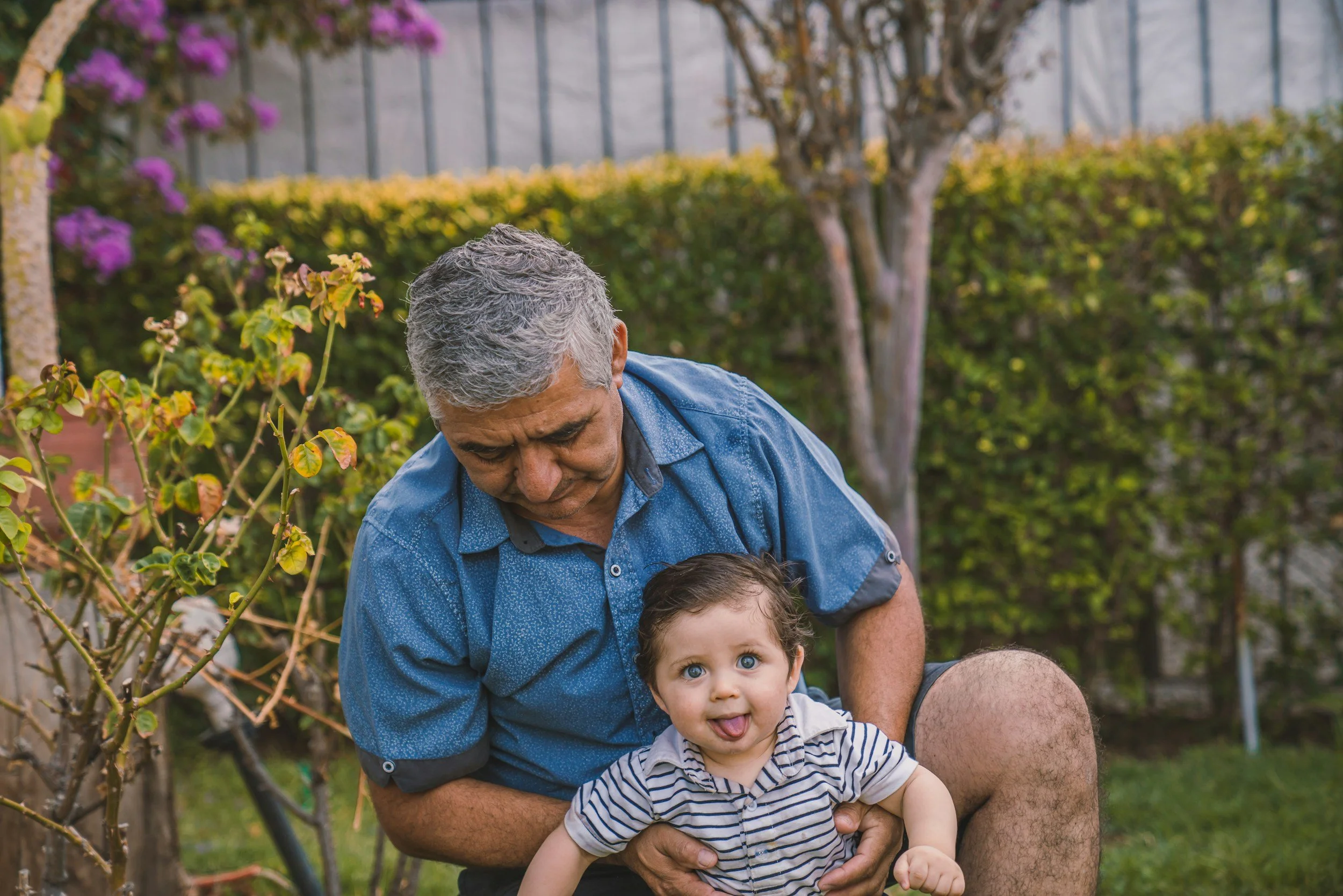
Grandparents bring a wealth of wisdom and love to a growing family. Staying informed on the latest safety standards is just another way that love shows up! Here is a look at how some common practices have evolved over the years.
The "Tummy Sleep" Tradition
The Old Way: When I first began caring for babies around the time of the “Back to Sleep” campaign, many families were hesitant to follow the new recommendations. There were real concerns about babies choking on spit-up, and honestly, some babies just didn't seem to sleep as well on their backs.
The Current Evidence: While babies often sleep more soundly on their tummies, back-sleeping is significantly safer. It reduces the "rebreathing" of exhaled air and prevents overheating, both of which are SIDS risk factors. Meanwhile, according to Safe to Sleep, babies may actually be less likely to choke when on their back due to their physical anatomy.
Back-sleeping helps a baby arouse more easily. This is a protective factor if they have a pause in breathing or a drop in oxygen. Since young infants often can’t physically move themselves out of a dangerous position yet, this internal "alarm" in the brain is their best defense. Overheating—from a room that is too warm or from wearing too many layers—can cause a baby to sleep so deeply that this life-saving arousal response is suppressed.
You can prevent overheating by:
Keeping the room temperature between 68–72°F.
Avoiding hats or excessive layers indoors.
Checking for signs of overheating, like flushed cheeks or a hot or sweaty chest/back.
The Bottom Line: Babies should be placed alone, on their backs in an approved sleep space. If you’re worried about them being cold, a wearable sleep sack is the modern, safe alternative to a loose blanket.
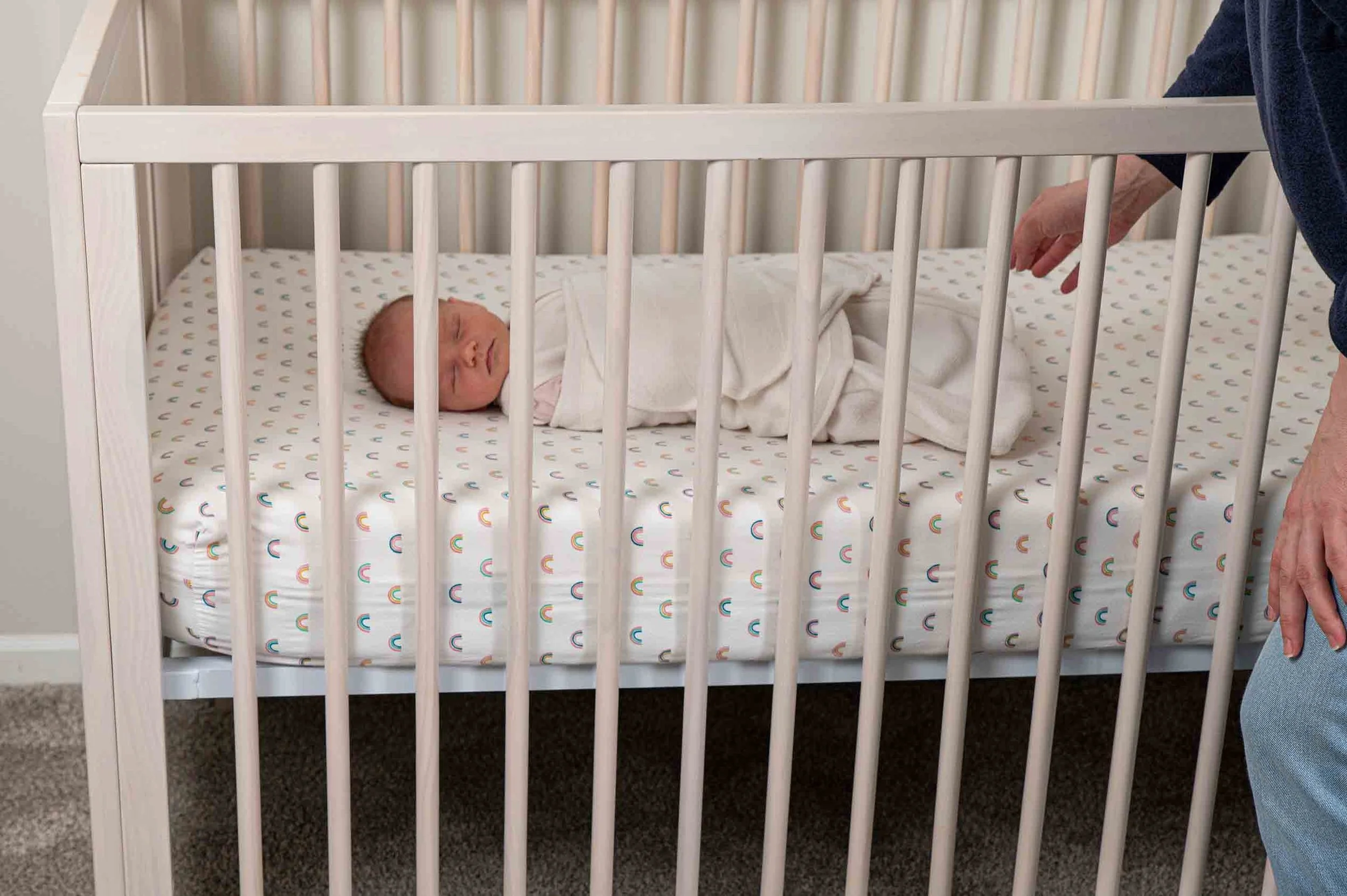
Photo courtesy of the American Academy of Pediatrics Safe Sleep Library
Cereal in the Bottle for Better Sleep?
The Old Way: This is an area that often causes tension between generations. When I started my career, putting cereal in a bottle to help a baby sleep longer stretches was a very common practice. The thought was that "filling them up" would lead to better night sleep.
The Current Evidence: Pediatric experts now strongly advise against this. Adding cereal to a bottle creates a choking hazard and research shows it doesn't actually help babies sleep longer.
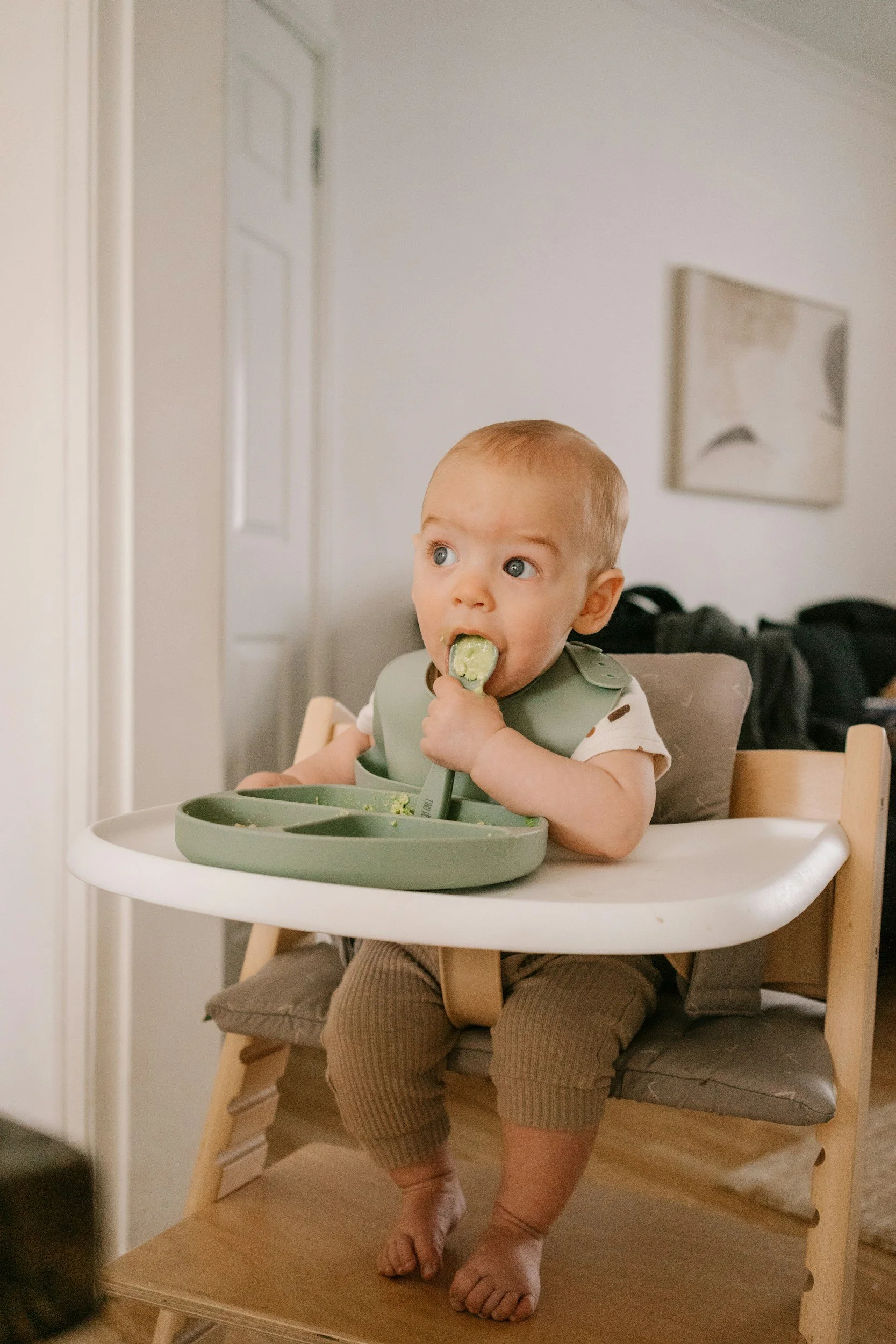
The CDC and the AAP recommend breastmilk or formula as the sole source of nutrition until 6 months of age. Before introducing solids, a baby should show these signs of readiness:
Sitting up alone or with support.
Good head and neck control.
Opening their mouth when food is offered.
The ability to swallow food rather than pushing it out towards their chin.
Note: Many families now choose to bypass cereal altogether as a first food, which is perfectly okay! If a family does choose cereal as a first food, it is now recommended to avoid offering only rice cereal to prevent potential arsenic exposure.
The Bottom Line: To help a baby settle better at night, focus on ensuring they get their full caloric intake through frequent milk feedings during the day. However, keep in mind that it is developmentally normal and healthy for newborns and infants to wake during the night. Night waking is often about more than just hunger, it's a natural part of their growth and brain development.
The Evolution of Car Seat Safety
The Old Way: In the past, children were often moved to a forward-facing seat by their first birthday. Furthermore, before North Carolina’s 2005 law required children under 80 pounds or 8 years of age to be restrained, booster seats were rarely used for older children.
The Current Evidence: Research shows that extended rear-facing significantly reduces the risk of serious injury or death. Children aren’t just small adults; their bone structure and body proportions are still developing, making them more susceptible to injury in a crash.
I love this video by Safe in the Seat, which demonstrates how a rear-facing seat protects a child’s head, neck, and spine. A common concern for grandparents is that a child’s legs look cramped, but data shows that leg injuries are not a concern in rear-facing seats.
The Bottom Line: Extended rear-facing and the use of booster seats for older children are the best ways to keep them safe. If you'll be transporting your grandchildren, I highly recommend familiarizing yourself with current North Carolina laws and to check with a Child Passenger Safety Tech (CPST) to ensure your car seat is installed correctly.
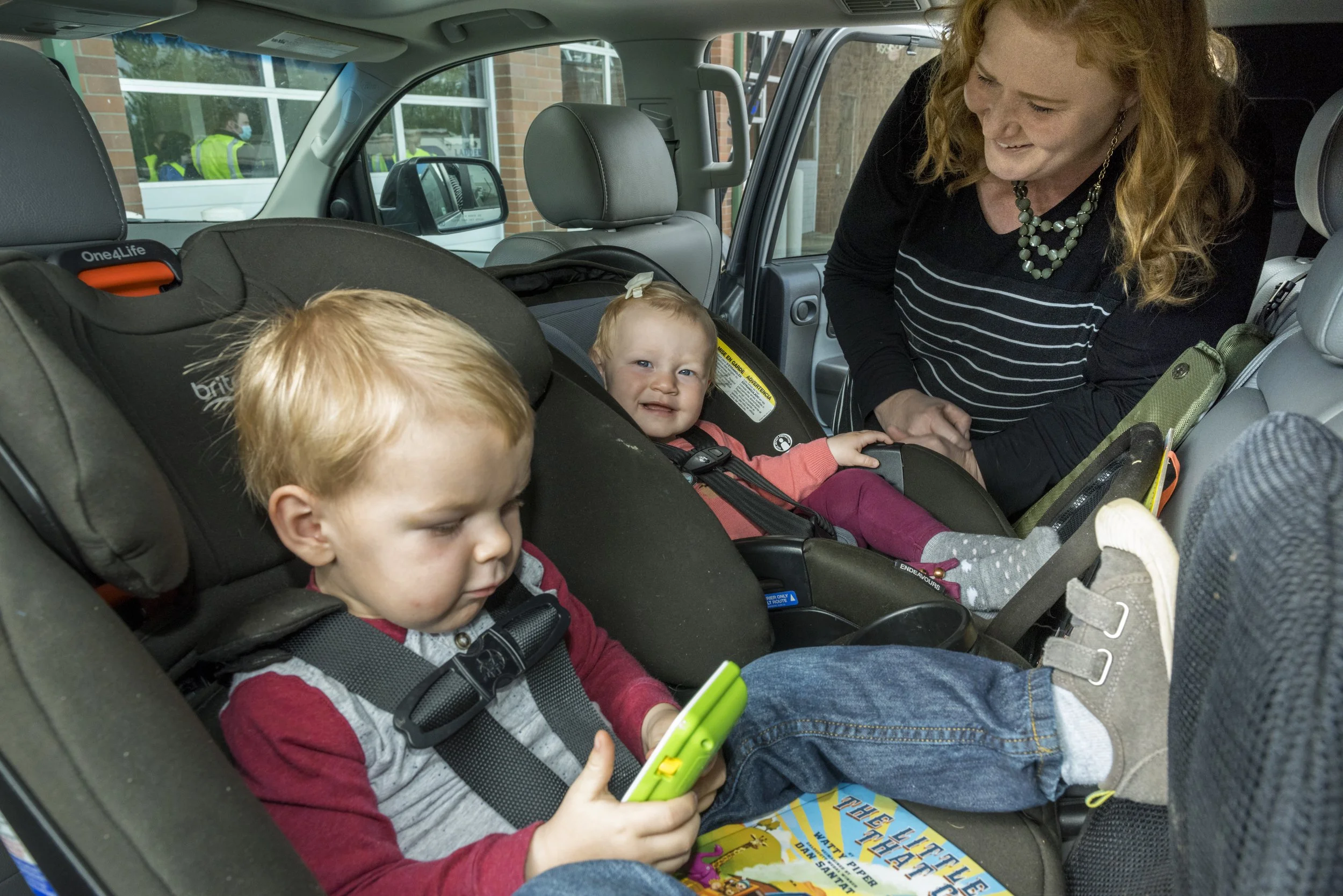
Photo courtesy of Oregon Department of Transportation
Staying Informed
Safety recommendations change because our understanding of infant development continues to grow. Adapting to these new "best practices" doesn't mean the old ways were "wrong" for their time, it just means we have better tools now to protect the next generation.
About the Author: Kelly Settipani, Founder of KelSet Newborn Care
As an evidence-based newborn care educator serving families across the Raleigh, Durham, and Chapel Hill area, my goal is to help local families start their journey with confidence—whether you are an expectant parent feeling overwhelmed by Google, or a grandparent wanting to provide the most up-to-date support possible. Through KelSet Newborn Care, I provide practical education that respects the family dynamic while prioritizing infant safety.
Want to dive deeper?
If you enjoyed this look at today’s recommendations and want to feel even more confident in your role as a grandparent, I would love to have you join my class: Ready, KelSet, Grandparent! We cover these topics (and more) in-depth and provide plenty of space for questions so you can support your growing family with confidence and peace of mind.
Disclaimer: This post provides general educational information and is not a substitute for professional medical advice from a pediatrician. While every effort is made to provide the most up-to-date safety information, recommendations can change frequently; I encourage you to verify current guidelines with your healthcare provider or local safety officials.